
THEORY INTO PRACTICE
My academic career was defined by a “design laboratory” approach, utilizing my Master’s research to solve real-world problems in IP transition. This foundation allows me to approach studio challenges with an evidence-based methodology, ensuring that creative decisions are backed by rigorous, repeatable analysis.
RESEARCH SPOTLIGHT: THE 6-PILLAR ADAPTATION FRAMEWORK
Developed as part of my MA thesis in Game Studies & Engineering (2024–2026)
My Master’s Thesis, “Adaptation of Intellectual Properties in Videogames,” established a systematic framework for cross-media transitions. Using Godzilla Pinball as a primary case study, I developed a 6-pillar diagnostic checklist to evaluate and ensure the success of an adaptation.
The Six Pillars of Successful Adaptation:
- Essential Element Preservation & Medium Integration: Identifying the “DNA” of an IP and translating it into mechanics that fit the specific strengths of the target medium.
- Core Message Preservation: Ensuring the game’s systems reinforce the fundamental themes and “soul” of the source material.
- Adapter Requirements: Evaluating the necessary technical skills, IP literacy, and creative tools required by the dev team to execute the transition.
- Audience Considerations: Balancing the expectations of “lore-heavy” fans with the accessibility needs of the general player base.
- Adaptation Project Factor Considerations: Aligning the design with the specific mechanical goals and scope of the individual project.
- Contextual Considerations: Analyzing the broader market, IP history, and release timing to ensure the game resonates within the current industry landscape.
PROFESSIONAL INTERNSHIPS
Bossers & Cnossen — Designer & Gamification Researcher
- Focus: Primary research on the gamification of skill development for a job-market reintegration project.
- Outcome: Investigated the potential of game-loop mechanics for boosting skill development in an ongoing job-reintegration project. The findings were formally adopted by the company to serve as the structural blueprint for ongoing internal development.
RPGScenery — Game Design Intern
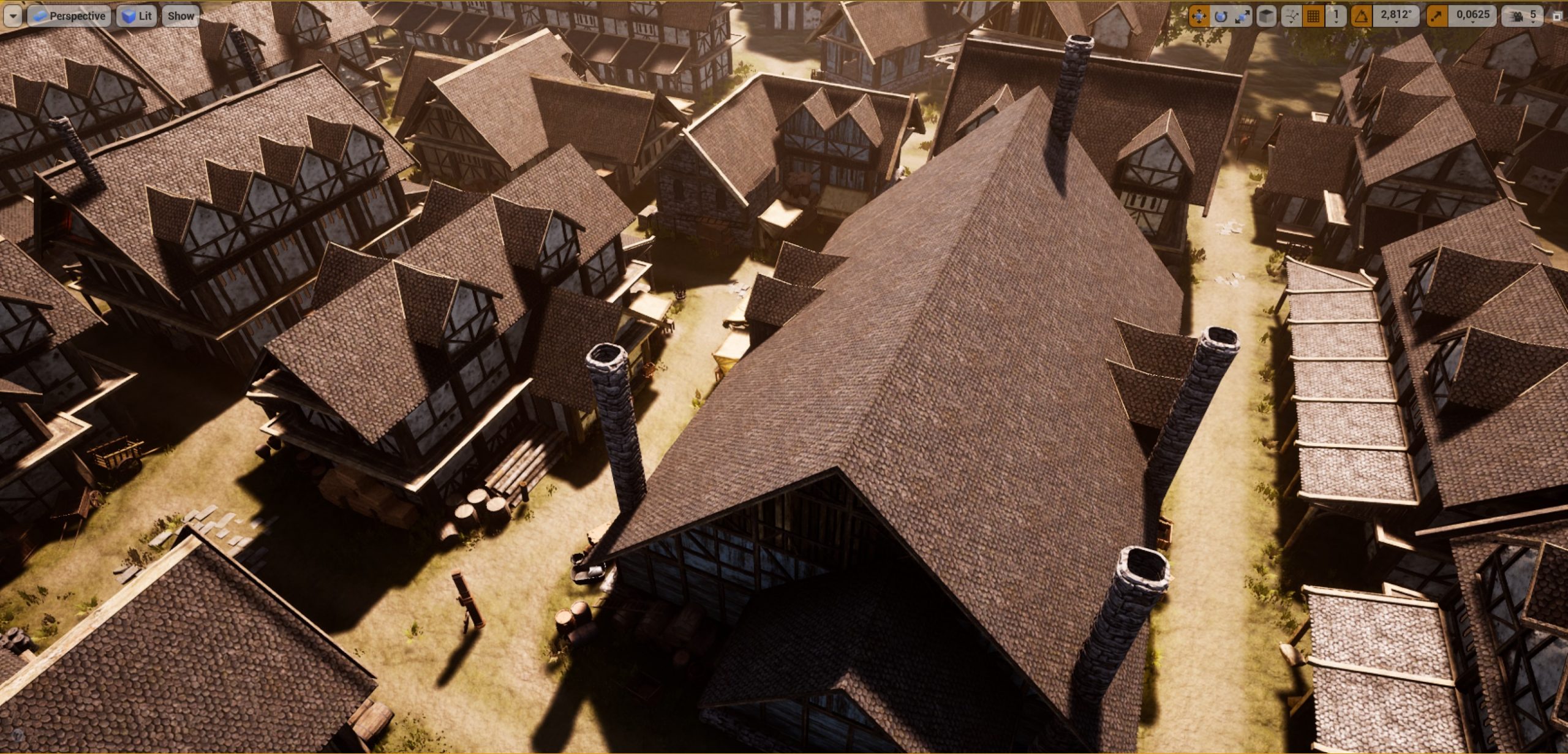
- Focus: Environmental storytelling and technical map design within Unreal Engine.
- Impact: Collaborated within a team of industry veterans to iterate on player engagement for a high-fidelity D&D companion app. I contributed final set-dressing and atmospheric object placement to published DLC maps, ensuring that environmental storytelling enhanced the mechanical clarity of the tabletop experience.
ACADEMIC PROJECT PORTFOLIO
Spanning BSc and MA studies: A testing ground for rapid iteration and technical design.
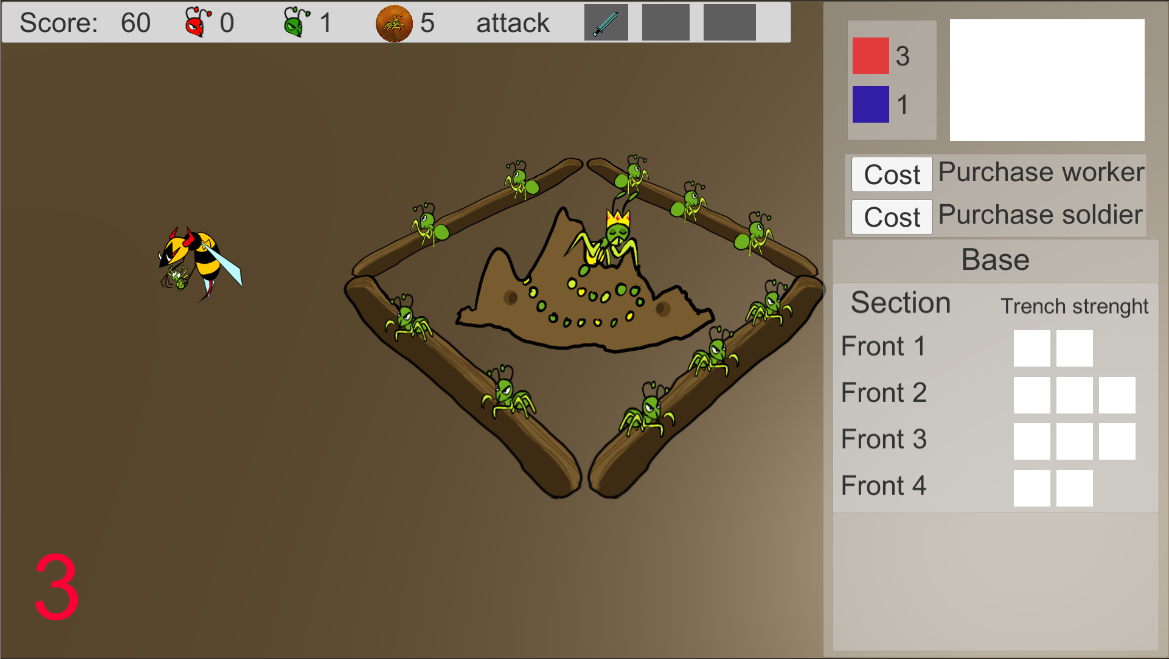
- Design Leadership: Frequently acted as Project Lead/Design Lead, overseeing the lifecycle from paper prototype to playable build. I managed cross-functional teams while personally spearheading UI/UX, mechanical balancing, and systems documentation.
- Genre Innovation: Utilized original IPs to test the theoretical boundaries of design—pushing genre limits to observe how non-traditional mechanics influence player cooperation and competition.
- Iterative Stress-Testing: Every project involved rigorous prototyping phases. I focused on identifying exploits and mechanical friction points early, ensuring that the “Technical Design” aligned perfectly with the intended “Player Experience.”
CORE COMPETENCIES DEMONSTRATED
- Applied Design Research: Translating complex theoretical frameworks into functional, engine-ready prototypes.
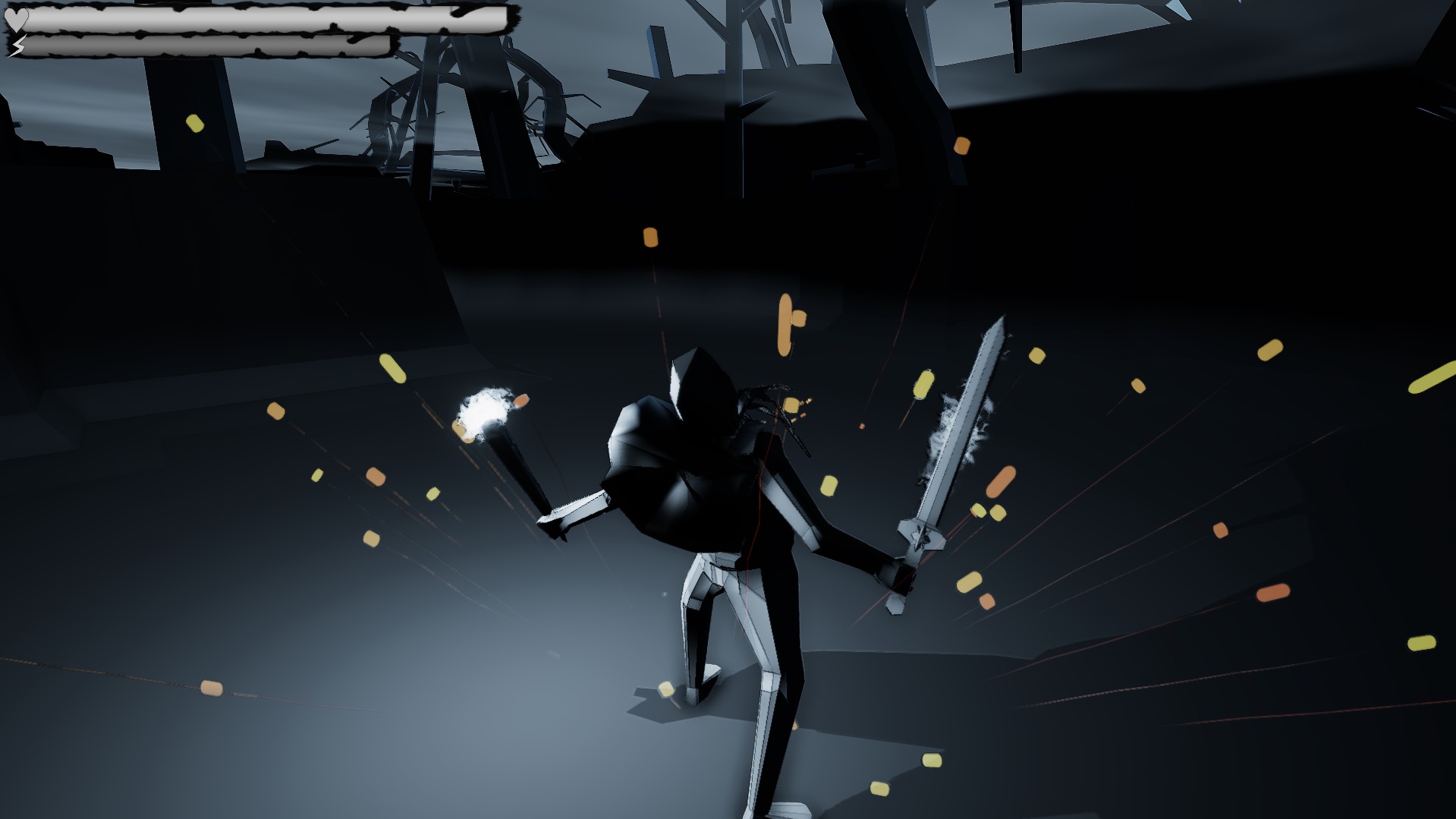
- Environmental Storytelling: Mastering the use of layout, lighting, and composition to drive player-led narratives within Unreal Engine.
- Technical Versatility: Rapid prototyping across genres using Unity (C#), Unreal Engine, and Haxe (HaxeFlixel).